In recent years, the construction of prefabricated houses has gained significant popularity. However, one crucial challenge remains: how to ensure thermal insulation in prefabricated houses. Expert Jane Smith, a leading consultant in sustainable architecture, states, “Effective insulation is vital for energy efficiency and comfort.”
Ensuring that these homes remain energy-efficient requires careful planning and execution. For instance, materials such as insulated panels and thermal breaks play a critical role. Homeowners must consider factors like local climate and building orientation. Even minor design flaws can compromise thermal performance.
As the industry evolves, there is a growing need for innovation in insulation solutions. The quest for optimal thermal insulation should prioritize not only compliance with building codes but also long-term sustainability. It’s essential to avoid common pitfalls and strive for continuous improvement in insulation techniques.
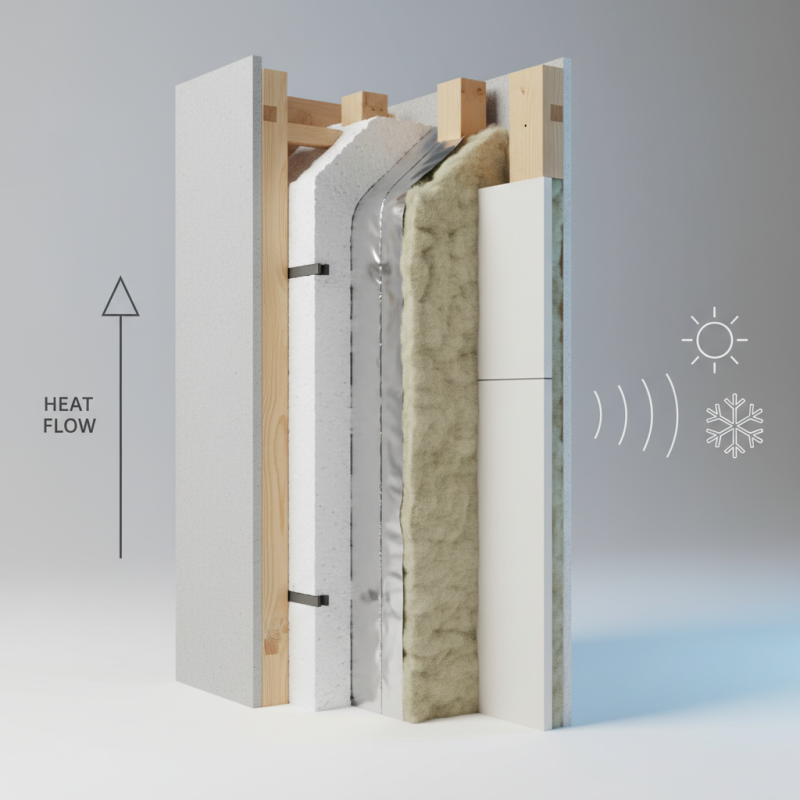
Importance of Thermal Insulation in Prefabricated Houses
Thermal insulation is crucial in prefabricated houses. It impacts energy efficiency and indoor comfort. Poor insulation can lead to significant heat loss in winter. Conversely, in summer, inadequate insulation allows heat to enter, making homes uncomfortably warm. Properly insulated homes can reduce heating and cooling costs, enhancing sustainability.
Choosing the right materials is essential. Fiberglass, foam boards, and cellulose are effective options. However, not all options work for every design. It's important to consider local climate and building regulations. On-site assessments can help determine the best insulating methods. Homeowners should not overlook air gaps that can compromise insulation efficiency. The installation process requires careful attention to detail.
While prefabricated houses often promise quick assembly, ensuring thermal insulation can be overlooked. Ensuring tight seals around windows and doors is critical. Gaps can allow drafts, impacting energy savings. During construction, some builders may rush the installation to meet deadlines. This can lead to overlooked areas needing insulation. Regular inspections and maintenance can help address these issues.
Choosing the Right Insulation Material for Prefabricated Construction
Choosing the right insulation material is crucial in prefabricated construction. Effective insulation reduces energy costs and improves comfort. According to the U.S. Department of Energy, proper insulation can save homeowners between 10% to 50% on energy bills.
Common materials include fiberglass, foam board, and cellulose. Fiberglass, one of the oldest options, is known for its thermal performance. It has an R-value between 2.9 and 4.3 per inch. However, it can be irritating during installation. Foam board offers higher R-values, between 5 and 6.5, but can be more expensive. Cellulose, made from recycled paper, is eco-friendly and has an R-value around 3.1 to 3.8. Each material has unique benefits and drawbacks.
Selecting insulation also involves considering moisture control. Some materials, like fiberglass, can absorb moisture, leading to mold. This issue often requires additional vapor barriers, complicating installation. Ease of installation is another factor. Skilled labor can influence costs and timelines.
Investing in high-quality insulating materials is essential, but it's important to assess the long-term performance versus initial costs. Evaluating sustainability, installation methods, and future energy savings helps in making informed decisions.
Techniques for Proper Installation of Insulation in Prefabricated Homes
When it comes to thermal insulation in prefabricated houses, proper installation is crucial. According to the National Institute of Standards and Technology, poorly installed insulation can reduce its effectiveness by up to 50%. This reduction drastically affects energy efficiency, leading to increased heating and cooling costs. Ensuring that installation techniques are followed carefully can mitigate these issues.
One effective technique is to avoid compression of insulation materials. Compression can create gaps, which allow cold or hot air to enter. Always check that insulation fits snugly in the cavities. Another tip is to seal all seams and penetrations. Use high-quality caulk or adhesive to minimize air leaks. This can improve thermal performance significantly.
Making sure you choose the right type of insulation is also critical. Different materials have varying R-values. A higher R-value indicates better insulation performance. Consider using materials that provide the best thermal resistance for your climate. Lastly, regular inspections and maintenance can help ensure insulation remains effective over time. Regular checks can reveal any wear or damage. Addressing these issues promptly can help maintain energy performance.
Evaluating Thermal Performance with Energy Modeling and Testing
Evaluating thermal performance in prefabricated houses is essential. Energy modeling is one effective method to predict how well a building can retain heat. This modeling considers materials, climate, and design to provide insights. It helps identify potential energy losses early in the design phase.
Testing further validates predictions made during modeling. This can include thermal imaging and blower door tests. Thermal imaging reveals heat leaks, while blower door tests assess air tightness. Such evaluations are crucial for improving insulation strategies. However, results can sometimes be unexpected, necessitating adjustments in design or materials.
Ultimately, regular evaluations promote better energy efficiency. Industry professionals must remain vigilant in updating methods. Continual testing and modeling evolve best practices, ensuring prefabricated houses are energy-efficient and comfortable. Adopting a proactive approach reveals areas for improvement, even in well-planned projects.
10 Tips for Ensuring Thermal Insulation in Prefabricated Houses
| Tip Number |
Tip Description |
Expected Benefit |
Energy Savings % |
| 1 |
Use High-Quality Insulation Materials |
Improved R-value |
20% |
| 2 |
Seal Air Leaks |
Enhanced comfort |
15% |
| 3 |
Install Double Glazing Windows |
Reduced heat loss |
25% |
| 4 |
Incorporate Thermal Mass |
Stabilized indoor temperatures |
10% |
| 5 |
Utilize Energy Modeling Software |
Accurate performance predictions |
Variable |
| 6 |
Optimize Building Orientation |
Maximized natural heating |
12% |
| 7 |
Use Reflective Roofing |
Reduced cooling costs |
18% |
| 8 |
Ensure Proper Ventilation |
Improved indoor air quality |
Variable |
| 9 |
Select Energy-Efficient Appliances |
Reduced overall consumption |
8% |
| 10 |
Conduct Regular Energy Audits |
Identified inefficiencies |
Variable |
Maintaining Insulation Quality Over Time in Prefabricated Structures
Maintaining insulation quality in prefabricated houses is crucial for energy efficiency. Insulation degrades over time, affecting temperature regulation. To prevent this, homeowners must regularly inspect their insulation materials. Check for gaps or wear. Small issues can lead to larger problems if ignored.
Proper ventilation is also essential. It helps manage moisture, which can slowly damage insulation. Ensure that vents remain unobstructed. Watch for signs of mold, which thrives in damp areas. This also impacts air quality. Making necessary repairs promptly is vital to preserving insulation integrity.
Regular maintenance routines are often forgotten. Schedule inspections at least once a year. This proactive approach helps identify potential issues early. Use high-quality materials during initial construction. It may cost more upfront but pays off in the long run. Keep records of all maintenance work. This can provide insights into patterns over time.
10 Tips for Ensuring Thermal Insulation in Prefabricated Houses
Conclusion
Ensuring thermal insulation in prefabricated houses is crucial for enhancing energy efficiency and maintaining comfortable living conditions. Key considerations include selecting the appropriate insulation material tailored to the specific needs of prefabricated construction, as well as employing proper installation techniques. These steps help to minimize thermal bridging and air leaks, thereby improving the overall thermal performance of the structure.
To further assess and validate the insulation effectiveness, energy modeling and testing can provide insights into the thermal performance of the home. Regular maintenance of insulation quality is also essential, as it ensures long-term efficiency and energy savings. By following these strategies, homeowners can effectively learn how to ensure thermal insulation in prefabricated houses, leading to a sustainable and comfortable living environment.
 Ruifa Modular House
