Ruifa Modular House Ruifa Modular House

Why Soundproofing is Essential for Prefabricated Houses?

Time:2026-06-01 Author:Sienna
0%

Soundproofing is a critical aspect of modern prefabricated houses. With the rise in urban living and closer quarters, effective sound insulation has become paramount for comfort. According to expert architect Dr. Emily Johnson, "The right soundproofing solutions can transform the living experience in prefabricated homes." Her insights remind us that amidst efficiency, acoustics should not be overlooked.

Many homeowners are unaware of the potential noise issues in these modern structures. Prefabricated houses can be prone to sound transmission due to their design and materials. This can lead to discomfort and reduced privacy. Understanding how to soundproof prefabricated houses effectively can significantly enhance the quality of life.

Investing in soundproofing techniques can address these challenges. Options like acoustic panels and sound barriers can make a difference. Yet, not every method suits every situation. Homeowners need personalized solutions to meet their unique needs. Reflecting on past projects, some might find that trial and error is part of the learning process. Navigating soundproofing is a journey, requiring careful thought and experimentation.
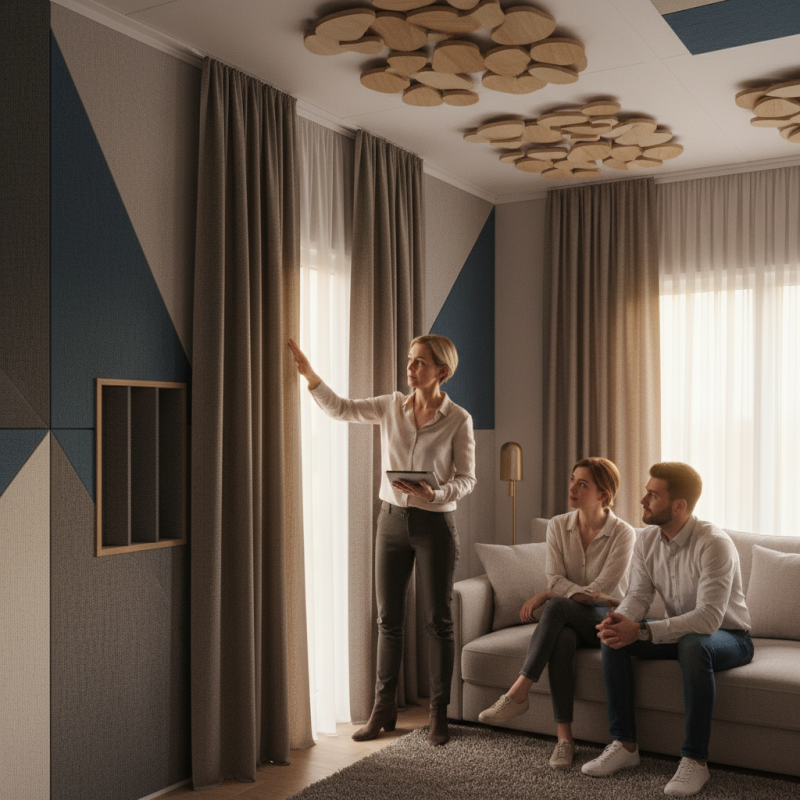
Why Soundproofing is Essential for Prefabricated Houses?

Importance of Soundproofing in Prefabricated Houses

Soundproofing plays a crucial role in the comfort of prefabricated houses. These homes often use lightweight materials, which can lead to increased noise levels. A well-designed soundproofing system reduces unwanted sounds, creating a tranquil living environment. Without proper soundproofing, external noise from traffic or neighbors can disrupt daily life.


There are various strategies for effective soundproofing. Consider using high-density insulation materials within walls and ceilings. Acoustic panels can also help absorb sound in open spaces. Thick carpets or rugs can add an extra layer of defense against noise.


It’s essential to assess the specific needs of your home. Each layout and location presents unique challenges. A consultation with an expert might offer tailored solutions for your soundproofing needs. Experiment with different materials to find what works best in your space. Understanding your home's acoustics can lead to better sound management and comfort.

Understanding the Challenges of Noise in Prefabricated Homes

Noise poses significant challenges in prefabricated homes. These houses are often built in factories and transported as modules. This process can lead to thinner walls and reduced insulation. Consequently, sound transmission can be notable. Road noise, neighbors, and internal sounds can easily disrupt comfort.

Effective soundproofing is crucial. It not only enhances privacy but also improves overall living quality. Inadequate sound barriers might lead to frustration. Homeowners may find their peace compromised by everyday noises. This can affect sleep and relaxation. Addressing this issue is essential for a comfortable living environment.

Tips for soundproofing include using acoustic panels on walls. They absorb sound waves, reducing noise levels. Another option is adding rugs or carpets. These help dampen echo and create a cozy atmosphere. Check for gaps around windows and doors. Sealing these can significantly reduce outside noise. Investing time in these solutions pays off in the long run. Soundproofing can create a sanctuary, promoting tranquility in your prefabricated home.

Effective Soundproofing Techniques for Prefabricated Structures

Soundproofing is crucial for prefabricated houses. These structures often have thinner walls, making them more susceptible to noise. Effective soundproofing techniques can greatly enhance comfort. One popular method is to use acoustic panels. These panels absorb sound and reduce echo. They are versatile and can be placed on walls or ceilings.

Adding soundproof insulation is another effective approach. This material can be installed between walls and floors. It minimizes sound transmission and enhances energy efficiency. Moreover, weather stripping around doors and windows creates a tighter seal, blocking external noise. This minor addition can make a significant difference.

Employing double-glazed windows also helps. They feature two panes of glass that reduce sound infiltration. Yet, achieving optimal soundproofing may require a combination of these techniques. Every prefabricated home is unique, and solutions can vary. Owners should evaluate their specific needs. Experimenting with different methods may lead to the best outcome.

Why Soundproofing is Essential for Prefabricated Houses

This chart displays the effectiveness of various soundproofing materials commonly used in prefabricated houses, illustrating their noise reduction capabilities measured in decibels (dB).

Benefits of Enhanced Privacy and Comfort in Soundproof Homes

Soundproofing is not just a luxury; it’s a necessity for prefabricated homes. Enhanced privacy is one of its biggest advantages. Imagine a quiet sanctuary where outside noises fade away. You can relax without the intrusion of traffic or neighbors. This level of silence allows for deeper concentration and improved mental well-being.

Comfort is equally important. A soundproof home creates a harmonious environment. You can enjoy quality time with family without disturbances. Hosting gatherings becomes more enjoyable when voices and laughter do not escape the walls. However, achieving this comfort can be challenging. Proper insulation and materials need careful consideration. An ill-thought-out design might lead to undesirable echoes or even discomfort.

Additionally, there's a balance to strike. Overly soundproof spaces can feel isolated. It’s essential to find the right materials that provide both sound reduction and a sense of connectivity to the outside world. Reflecting on this challenge can lead to better design choices that ensure both privacy and a welcoming atmosphere. The experience proves that sometimes, less is more in creating the perfect sound environment.

Why Soundproofing is Essential for Prefabricated Houses?
Benefit Description Impact on Homeowners
Enhanced Privacy Soundproofing materials reduce noise transmission from outside, ensuring a quieter environment. Increased comfort and a sense of security in the home, allowing residents to enjoy their space without disturbance.
Improved Comfort Better sound insulation contributes to a more comfortable living space, making it easier to relax and focus. Homeowners can enjoy activities, such as watching movies or playing music, without disturbing others or being disturbed.
Increased Property Value Homes with soundproofing features may be more attractive to prospective buyers, particularly in noisy areas. Potential for a higher resale price, making it a solid investment for homeowners.
Noise Regulation Effective soundproofing can help meet local noise regulations, avoiding fines and disputes. Peaceful living environment and fewer legal hassles regarding noise complaints.

Cost Considerations and Value of Soundproofing in Construction

Soundproofing is often overlooked in the construction of prefabricated houses. However, the cost considerations associated with soundproofing are significant. According to a study by the National Association of Home Builders, noise complaints can decrease property values by up to 30%. This can be a substantial loss for homeowners and builders alike.


Implementing soundproofing measures can initially seem costly. Reports suggest an average investment of $2 to $5 per square foot for effective soundproofing materials. Yet, these costs are outweighed by the long-term benefits. A well-insulated home can lead to reduced renovation costs and decreased energy bills. In noisy environments, soundproofing offers not only peace but also a significant increase in property appeal.


Moreover, soundproofing is essential for mental well-being. A quieter home can enhance concentration and reduce stress. Research indicates that residents living in noise-polluted areas experience more anxiety and sleep disturbances. While incorporating soundproofing fortifies a house’s structure, it also cultivates a healthier living space. It is a vital aspect of modern construction that deserves attention.

FAQS

: What are the main noise challenges in prefabricated homes?

: Prefabricated homes often have thinner walls, which leads to significant sound transmission.

How does noise affect comfort in these homes?

Everyday sounds from neighbors or traffic can disrupt peace, affecting relaxation and sleep.

What is an effective method for soundproofing?

Using acoustic panels on walls absorbs sound waves and reduces noise levels.

How can sealing gaps help with noise?

Sealing gaps around windows and doors significantly reduces outside noise infiltration.

Why is enhanced privacy important in soundproof homes?

It creates a quiet sanctuary, allowing relaxation without disturbances from outside noises.

What role does soundproof insulation play?

It minimizes sound transmission and enhances energy efficiency by fitting between walls and floors.

Can design choices impact soundproofing success?

Yes, poor design can lead to echoes or discomfort, making careful consideration essential.

What happens if a space is too soundproof?

Over-soundproofing may cause isolation, making a home feel disconnected from the outside.

What should homeowners do to evaluate their soundproofing needs?

Assess specific situations and experiment with different soundproofing techniques for best results.

How do double-glazed windows contribute to soundproofing?

They reduce sound infiltration effectively due to their two-pane design.

Conclusion

Soundproofing is crucial for prefabricated houses, as it directly impacts the privacy and comfort of residents. Due to the inherent construction methods used in prefabricated homes, noise can easily permeate through walls and ceilings, leading to distractions and discomfort. Understanding the challenges of noise in these structures is the first step toward effective soundproofing. Techniques such as adding sound-absorbing materials, using resilient channels, and ensuring proper sealing can significantly enhance the acoustic performance of prefabricated houses.

In addition to providing a more peaceful living environment, effective soundproofing contributes to the overall value of the home. Homeowners must consider the costs associated with soundproofing, which can yield long-term benefits through improved comfort and reduced disturbance. Ultimately, knowing how to soundproof prefabricated houses effectively not only enhances the living experience but also offers a worthwhile investment in the structure’s quality.

Sienna

Sienna

Sienna is a skilled marketing professional with a deep expertise in our company’s core products and services. With a passion for innovation and detail, she plays a pivotal role in crafting insightful blog posts that not only highlight the unique features of our offerings but also provide valuable......