 Ruifa Modular House
Ruifa Modular House
Ruifa Modular House
The durability of prefabricated houses is a critical concern for builders and homeowners alike. What factors affect the durability of prefabricated houses? Industry expert Dr. Emily Chen emphasizes, “Material quality and construction methods greatly influence how long these homes last.” Her insights highlight the importance of selecting durable materials and employing skilled labor in the construction process.
One significant factor is the choice of materials used in prefabricated structures. For instance, advanced composites and treated woods can significantly enhance longevity. Additionally, the design plays a vital role. Designs that account for local weather patterns are less likely to suffer from damage. Regular maintenance is often overlooked but is crucial for durability. Small repairs can prevent larger issues in the future.
Environmental factors must also be considered. Homes in areas prone to harsh weather require specific treatments and precautions. While many prefab homes are built to last, not all stand the test of time. Reflection on these elements is necessary for better outcomes. In the quest for durable prefabricated homes, understanding these factors is essential.
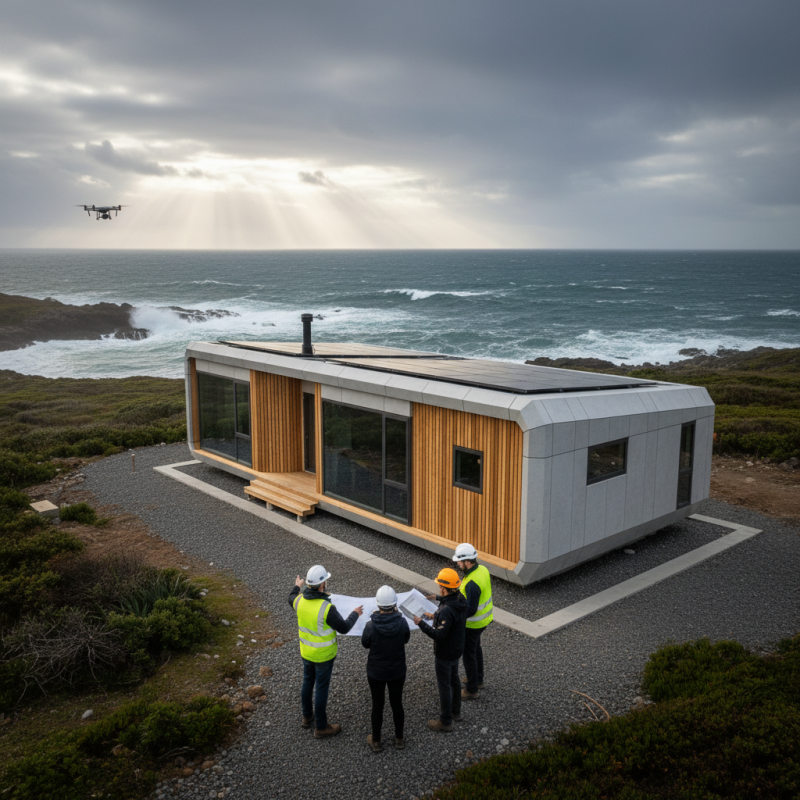
Durability in prefabricated houses is influenced by several key factors. One crucial aspect is the materials used in construction. High-quality, weather-resistant materials can greatly extend the lifespan of these structures. For instance, using advanced insulation can prevent moisture buildup, which is notorious for causing damage over time. However, not all manufacturers utilize the best materials, leading to potential issues.
Another important factor is the design and engineering of the house. Proper structural design can help withstand extreme weather conditions. This includes considerations for wind resistance and seismic safety. Yet, many prefabricated homes often lack thorough engineering assessments. This oversight can compromise their durability. Additionally, the assembly process plays a critical role. Skilled workers are vital in ensuring that components fit together seamlessly, reducing the risk of future wear and tear. Sadly, inconsistent craftsmanship remains a challenge in the industry.
Lastly, maintenance practices cannot be overlooked. Regular inspections and upkeep are essential for identifying potential issues early. Homeowners sometimes underestimate the importance of routine checks, leading to more significant problems down the line. Therefore, while prefabricated houses offer many benefits, their durability is not solely dependent on their initial construction. It's a multifaceted approach that requires ongoing attention and care.
| Factor | Description | Impact on Durability | Recommended Improvements |
|---|---|---|---|
| Material Quality | Use of high-grade materials that resist wear. | High | Choose durable materials such as reinforced concrete. |
| Design Considerations | Smart designs that consider local weather conditions. | Medium | Incorporate weather-resistant features in design. |
| Construction Techniques | Methods used during assembly of prefabricated units. | High | Implement best practices for assembly and sealing. |
| Maintenance Schedule | Regular maintenance to prevent decay and damage. | High | Establish a routine maintenance program. |
| Environmental Factors | Impact of weather, humidity, and natural disasters. | Medium | Use stress-resistant designs and materials. |
: High-quality, weather-resistant materials are essential. Advanced insulation is also important for preventing moisture buildup.
Proper design can help withstand extreme weather. However, many homes lack thorough engineering assessments.
Skilled workers ensure that components fit seamlessly. Inconsistent craftsmanship can cause future wear and tear.
Regular inspections are crucial. Many homeowners underestimate this, leading to bigger problems later.
Insulation impacts energy efficiency and moisture control. Poor insulation can lead to mold and deterioration.
Yes, they improve resilience against environmental factors. Prefabricated homes with steel framing resist wind and seismic activity.
Environmentally friendly and advanced composite materials can extend durability. Yet, some projects still use outdated materials.
Using low-quality materials leads to vulnerabilities. This can result in premature wear and tear over time.
Regular checks should be a priority. This helps identify issues early, before they escalate.
Yes, poor structural design can compromise durability. It’s vital to consider all engineering aspects.
The durability of prefabricated houses is influenced by various factors that can significantly impact their lifespan and performance. What factors affect the durability of prefabricated houses? Key elements include the selection of high-quality materials that enhance structural integrity, as well as thoughtful design improvements that address potential vulnerabilities. By employing innovative technologies during the construction process, buildings can be made more resilient to environmental challenges.
Regular maintenance practices also play a crucial role in ensuring the longevity of prefabricated homes. Consistent upkeep helps identify and rectify issues before they escalate, thereby maintaining the home's durability over time. By focusing on these essential aspects, homeowners and builders can enhance the overall robustness of prefabricated structures and ensure they remain functional and safe for years to come.
