Ruifa Modular House
In today's construction landscape, prefabricated structures offer numerous advantages. However, fire safety remains a critical concern. Understanding how to ensure fire safety in prefabricated structures is essential for builders, architects, and occupants alike. These structures, often made of lightweight materials, can present unique challenges in case of a fire.
A thorough evaluation of fire risks is necessary before construction begins. Implementing effective fire-resistant materials is key. Moreover, a well-thought-out design can significantly enhance safety. Regular inspections and maintenance play pivotal roles as well. It's vital to address potential vulnerabilities and incorporate safety measures throughout the lifecycle of the structure.
Awareness of fire safety practices is often lacking. Training workers on fire hazards can make a difference. Developers should prioritize safety features and continually adapt to evolving standards. Every decision impacts safety outcomes, highlighting the importance of commitment to fire safety in prefabricated buildings.
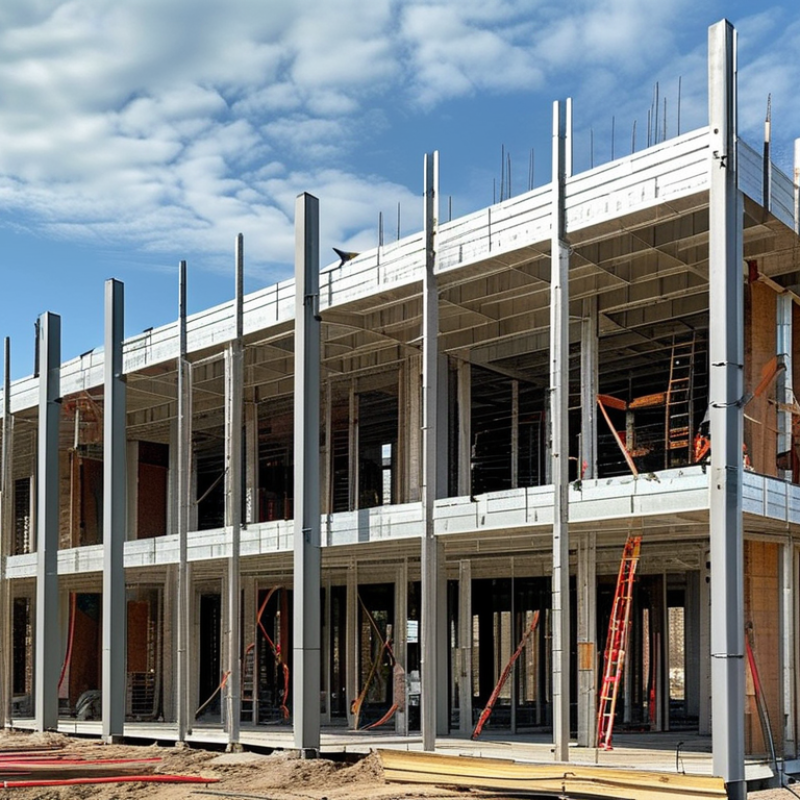
Prefabricated structures offer numerous benefits, such as cost efficiency and quicker assembly. However, they also carry unique fire risks. According to the National Fire Protection Association (NFPA), prefabricated buildings often utilize lightweight materials. These materials can contribute to rapid fire spread, posing a significant risk. The acceleration of fire spread can lead to hazardous situations in mere minutes.
It's essential to understand that the construction methods for these structures can limit effective fire protection. A report from the International Code Council highlights how inadequate thermal protection can elevate ignition risks. The limited space in some prefabricated designs can also hinder safe evacuation routes. This aspect can complicate escape efforts during emergencies, increasing the potential for harm.
Additionally, limited oversight during manufacturing can raise concerns about quality control. Substandard materials might not meet safety standards. It's crucial to ensure that prefabricated units undergo stringent testing and comply with fire safety codes. Regular inspections are necessary to identify potential fire hazards. Addressing these factors early on can significantly reduce fire risks in these modern buildings.
Designing prefabricated structures with fire safety in mind is essential. One effective strategy is to choose appropriate materials. Fire-resistant materials can significantly enhance safety. Incorporating concrete, steel, or treated wood can help contain flames and minimize smoke emissions.
Proper ventilation is another critical aspect. A well-ventilated design can allow smoke to escape quickly during a fire. This reduces heat build-up and provides occupants with more time to react. Ensure that all vents and exit routes are easily accessible and properly marked.
Establishing clear evacuation plans is vital. Regular fire drills ensure occupants know their exits. These plans should account for the unique layout of prefabricated buildings.
Fire alarms and suppression systems must be integrated into the design. Smoke detectors should be strategically positioned to detect issues early.
Consider additional features, such as fire barriers. These barriers can slow down the spread of flames within the structure. Regular maintenance of all fire safety systems is equally important.
Lastly, stay informed about the latest fire safety standards. Regulations often change, adapting designs to meet new challenges is necessary.
| Design Consideration | Description | Importance Level | Implementation Method |
|---|---|---|---|
| Material Selection | Using fire-resistant materials for exterior walls and roofs. | High | Choose materials certified for fire resistance. |
| Compartmentalization | Dividing structures into fire compartments to limit fire spread. | Medium | Use fire doors and walls to create compartments. |
| Fire Detection Systems | Installing smoke detectors and fire alarms throughout the structure. | High | Regularly test and maintain detection systems. |
| Egress Paths | Ensuring clear and accessible escape routes in case of fire. | High | Mark paths clearly and maintain them unobstructed. |
| Fire Extinguishers | Strategically placing fire extinguishers in accessible locations. | Medium | Conduct regular inspections and training on use. |
| Ventilation Systems | Designing ventilation to redirect smoke away from occupants. | Medium | Incorporate smoke control measures in design. |
When selecting materials for prefabricated structures, fire resistance plays a crucial role in ensuring safety. According to the National Fire Protection Association (NFPA), nearly 40% of fire fatalities occur in residential settings, with many of these cases involving improperly selected materials. Opting for fire-resistant materials can significantly mitigate these risks. Options include steel, treated wood, and fire-rated gypsum boards. These materials not only withstand high temperatures but also slow the spread of flames, offering precious seconds for evacuation.
An analysis of building codes reveals that structures using non-combustible materials can reduce fire spread by up to 80%. In some regions, regulations mandate specific fire-resistance ratings for building components. This demonstrates a legislative push towards better construction practices. However, the challenge remains in reconciling cost with safety. While fire-resistant materials may incur higher upfront costs, their long-term benefits provide value in saving lives and protecting property.
It is essential to consider the installation process as well. Even the best materials can fail without proper assembly. A report from the International Code Council highlights numerous incidents where fire safety standards were disregarded during construction. Continuous training and adherence to guidelines must be prioritized within the industry. This reflective approach can foster a culture that prioritizes safety over cost-cutting measures.
Fire safety in prefabricated structures is crucial. These buildings often use lightweight materials that can catch fire easily. Proper fire safety protocols must be established during both construction and occupancy. This includes following local fire codes and regulations. All materials used should have appropriate fire ratings. Regular inspections can ensure compliance and identify potential hazards.
During occupancy, educating residents about fire safety is essential. Residents should be aware of evacuation routes and emergency procedures. Install smoke detectors and fire alarms in accessible locations. Regular maintenance of fire safety equipment, such as extinguishers, is vital. It's easy to overlook these details, but neglecting them can lead to serious consequences.
Building design should incorporate fire-resistant features, such as firewalls and safe exit routes. Nevertheless, not all structures have these ideal designs. This can lead to challenges in ensuring safety. Regular training for both occupants and staff can address these gaps and improve overall safety awareness. Developing a culture of safety is an ongoing process that requires attention and effort.
Regular inspections and maintenance are crucial for fire safety compliance in prefabricated structures. Building materials in these structures can vary significantly. Over time, wear and tear can compromise their fire-resistance capabilities. Ensuring regular assessments helps identify potential fire hazards early on.
Inspectors should focus on critical areas. Electrical systems often face deterioration, leading to increased risks. Proper maintenance of wiring and appliances is essential. The significance of clear exit routes cannot be overstated. Regular checks must confirm that exits remain unobstructed and properly marked.
Documentation of inspections is vital for accountability. These records can demonstrate compliance with fire safety regulations. However, many builders overlook this aspect. Reflecting on past inspections can lead to improvements in safety practices. Ensuring that these evaluations are thorough can ultimately prevent devastating consequences.
: Fire resistance is crucial for safety. It can significantly reduce fire-related fatalities and property damage.
Steel, treated wood, and fire-rated gypsum boards are recommended. These materials withstand high temperatures and slow flames.
Building codes often mandate non-combustible materials. Using them can reduce fire spread by up to 80%.
Yes, they often incur higher upfront costs. However, long-term benefits include saving lives and protecting assets.
Poor installation can lead to material failure. Even fire-resistant products need proper assembly to ensure effectiveness.
Adhere to local fire codes and ensure all materials have appropriate fire ratings. Regular inspections are critical.
Educate residents on evacuation routes and install smoke detectors. Maintenance of fire safety equipment is also crucial.
Incorporating firewalls and safe exit routes enhances safety. However, not all buildings have these ideal designs.
Regular training helps improve awareness and addresses safety gaps. Cultivating a culture of safety requires constant effort.
Neglecting safety can lead to serious consequences. Regular reviews and accountability can improve compliance.
Ensuring fire safety in prefabricated structures requires a comprehensive understanding of the unique fire risks associated with these buildings. Key design considerations include incorporating fire-resistant materials and implementing effective fire safety protocols during both construction and occupancy. By selecting appropriate materials and employing advanced design strategies, the fire safety of prefabricated structures can be significantly enhanced.
Regular inspections and maintenance are essential to ensure ongoing compliance with fire safety regulations. Establishing a routine for evaluating the fire safety measures in place will help identify potential vulnerabilities before they become critical issues. Overall, knowing how to ensure fire safety in prefabricated structures can lead to safer environments for occupants and greater peace of mind for builders and stakeholders alike.
