Ruifa Modular House Ruifa Modular House

Why Choose Prefabricated Buildings to Cut Construction Costs?

Time:2026-08-26 Author:Charlotte
0%

In today’s construction landscape, “How to reduce construction cost with prefabricated buildings” is a pressing question. Prefabricated buildings offer a unique approach. They combine advanced technology with innovative design, leading to significant cost savings. This method allows for faster construction times and reduced labor expenses.

Consider the efficiency of prefabrication. Building components are manufactured off-site in controlled environments. This minimizes delays due to weather and other external factors. It’s essential to reflect on how traditional construction often leads to unforeseen costs. Materials can become damaged, and labor may not meet deadlines. Prefabricated solutions aim to address these issues, yet they also require careful planning and collaboration among stakeholders.

Not all projects are suited for prefabrication. Some may face limitations in design flexibility. Additionally, initial costs for prefabricated structures may seem higher. Evaluating these aspects can help stakeholders make informed decisions. Embracing prefabricated buildings is not just about reducing costs. It’s an opportunity to rethink construction practices for greater efficiency and sustainability.
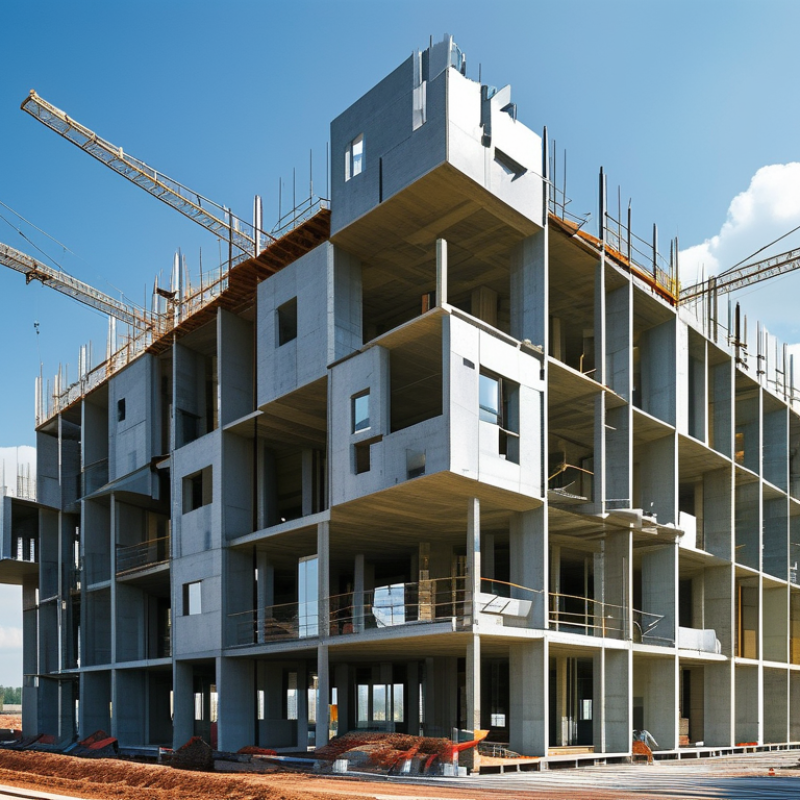
Why Choose Prefabricated Buildings to Cut Construction Costs?

Understanding Prefabricated Construction: An Overview

Prefabricated buildings are rapidly gaining popularity due to their efficient construction processes. They are built off-site, allowing for a more flexible approach to materials and design. Recent studies indicate that prefabricated construction can reduce time on-site by up to 50%. This significant time-saving often leads to lower labor costs and fewer interruptions during construction phases.

Prefabrication also enhances quality control. Since most of the work occurs in a factory setting, there is less exposure to weather-related delays. A report from the McKinsey Global Institute highlights that using prefabricated methods can lower construction costs by 20%. This makes it an attractive option for both residential and commercial buildings. Reduced waste and the ability to recycle materials are additional benefits, contributing to sustainable practices in the industry.

Consider these points when exploring prefabricated buildings. Assess the potential for design flexibility. Ensure that quality standards are met during the prefabrication process. Engage with experienced professionals who can guide you through the specifics of your project. Make informed decisions that account for both costs and quality control.

Benefits of Prefabricated Buildings in Cost Reduction

Prefabricated buildings offer a compelling solution for reducing construction costs. Through streamlined manufacturing processes, these structures are produced off-site. This approach minimizes labor expenses and allows for bulk purchasing of materials. The result is a significant reduction in overall project costs.

Time savings also play a crucial role. Traditional construction can be delayed by weather, labor shortages, or unforeseen conditions. Prefabricated buildings can be erected quickly, often in a matter of days. Rapid assembly translates to reduced labor costs and shortened project timelines, which is essential for budget-sensitive projects.

However, it’s important to consider limitations. Customization options can be restricted due to standardized designs. Some builders may find this lack of flexibility challenging. Additionally, transportation costs for large prefabricated components can add unforeseen expenses. Evaluating these factors is vital to ensure that cost savings outweigh any potential drawbacks.

Why Choose Prefabricated Buildings to Cut Construction Costs? - Benefits of Prefabricated Buildings in Cost Reduction

Benefit Description Cost Reduction (%)
Reduced Labor Costs Prefabrication minimizes on-site labor efficiency, reducing overall labor costs. 30%
Shorter Construction Time Faster assembly of prefabricated components leads to reduced financing costs. 20%
Material Savings Bulk purchasing of materials for prefabrication typically results in lower costs. 15%
Reduced Waste Efficient material use during prefabrication reduces building waste. 10%
Energy Efficiency Prefabricated buildings can be designed for greater energy efficiency, lowering utility costs. 25%

Key Factors Contributing to Lower Costs in Prefabrication

Prefabricated buildings offer a myriad of advantages, particularly in cutting construction costs. One key factor is the efficient manufacturing process. Components are created in a controlled environment, reducing waste and maximizing resource use. This streamlined approach minimizes delays caused by unpredictable weather, allowing projects to progress smoothly.

Labor costs also play a significant role. Prefabricated elements can be assembled much faster than traditional construction methods. This means fewer labor hours and lower overall costs. Skilled labor is often required, but the efficiency of prefabrication can offset these expenses. Additionally, the reduced time on site can lead to lower rental costs for equipment and temporary facilities.

Another contributing factor is the consistent quality of prefabricated materials. Since these components are manufactured under strict conditions, they often outperform site-built counterparts. This consistency translates to fewer repairs and maintenance costs in the long run. However, some challenges exist. Coordination and planning require strong oversight. Flaws in communication could lead to misalignment. Addressing these issues early can enhance the advantages provided by prefabricated buildings.

Cost Comparison: Traditional vs. Prefabricated Buildings

This chart illustrates the average construction costs per square foot of traditional buildings compared to prefabricated buildings in the United States. As seen, prefabricated buildings significantly reduce overall costs due to efficient building processes.

Comparing Traditional vs. Prefabricated Construction Costs

Prefabricated buildings have gained traction in the construction industry, offering a cost-effective alternative. A report from McKinsey & Company indicates that prefabricated construction can reduce project costs by 20% to 30%. This approach streamlines efficiency by minimizing waste, labor costs, and construction time.

Traditional construction methods often lead to unexpected expenses. According to a study by the World Economic Forum, traditional projects frequently exceed budgets by 10% to 20% due to delays and inefficiencies. Prefabrication addresses these issues with modular components produced in controlled environments. This significantly cuts down on labor hours and minimizes weather-related delays.

However, prefabricated construction is not without challenges. Transportation costs can add up, especially for large modules. Additionally, field adjustments may be necessary, leading to extra labor. Despite these hurdles, the benefits of prefabrication are clear. With lower overall costs and faster completion times, many projects are re-evaluating their construction approaches. This shift could redefine how we think about building in the future.

Future Trends in Prefabricated Building Technologies and Savings

Prefabricated buildings are gaining traction in the construction industry. A report from Research and Markets predicts that the global prefabricated construction market will grow by 6.5% annually until 2025. This growth is driven by advancements in technology and design. New methods are making prefabrication more efficient and cost-effective. Builders can reduce labor costs by up to 24% using modular components as they are manufactured offsite.

Future trends indicate an increased focus on sustainability within prefabricated construction. The use of eco-friendly materials and energy-efficient designs can reduce a building's operational costs significantly. A study by McKinsey estimates that sustainable building practices can lower overall construction expenses by 11%. Even so, the industry faces challenges. Not all sites are suitable for prefabricated designs, limiting scalability. Additionally, stakeholders must adapt to new processes, which can slow down initial implementation.

Prefabricated building technologies are evolving rapidly. Automation and AI are revolutionizing production processes, improving precision and speeding up delivery times. As these technologies mature, there are concerns about the skills gap in the workforce. There will be a need for training programs to equip workers with the necessary skills. Addressing these issues will be crucial for maximizing the potential cost savings associated with prefabricated buildings.

FAQS

: What are prefabricated buildings?

: Prefabricated buildings are structures made off-site using standardized components. They are assembled quickly on location.

How do prefabricated buildings reduce costs?

These buildings lower costs through streamlined manufacturing and reduced labor expenses. Bulk material purchasing also helps.

What time savings are associated with prefabricated buildings?

Prefabricated structures can be erected in days, minimizing delays caused by weather or labor shortages.

Are there customization options for prefabricated buildings?

Customization is often limited due to standardized designs. This can be a drawback for some builders.

What challenges come with transportation of prefabricated components?

Transportation costs can rise substantially, especially for larger modules. This adds to the overall expenses.

How does prefabrication compare to traditional construction costs?

Prefabrication can reduce costs by 20% to 30%. Traditional construction often results in 10% to 20% budget overruns.

What future trends are shaping prefabricated building technologies?

Future trends include improved efficiency, sustainability, and automation in production processes. These areas are evolving quickly.

What sustainability practices are emerging in prefabricated construction?

Using eco-friendly materials and energy-efficient designs can lower operational costs significantly over time.

What skills are needed for the future of prefabricated construction?

As automation rises, there’s a need for training programs. Workers must acquire new skills for these technologies.

Are there limitations to using prefabricated buildings on all sites?

Not every site is suitable for prefabrication, which can limit potential projects and scalability in some areas.

Conclusion

Prefabricated buildings represent an innovative approach to construction that offers significant cost savings and efficiency. Understanding prefabricated construction begins with its modular design, which allows for parts to be manufactured off-site and assembled on-site, minimizing delays and labor costs. The benefits of using prefabricated buildings include reduced material waste, quicker project timelines, and lower overhead expenses. Key factors contributing to these lower costs encompass streamlined manufacturing processes and simplified logistics.

When comparing traditional construction methods with prefabrication, the savings become evident in both time and budget. As the industry evolves, future trends indicate a growing reliance on advanced technologies in prefabrication, further enhancing cost-effectiveness. For those exploring strategies on how to reduce construction cost with prefabricated buildings, this approach proves to be a viable solution that meets modern construction demands while fostering sustainability.

Charlotte

Charlotte

Charlotte is a seasoned marketing professional with a deep understanding of the company's portfolio and a passion for elevating its presence in the market. With a keen eye for detail and a commitment to excellence, she ensures that our professional blog is regularly updated with insightful articles......